

How Can Professional Menopause Support Improve Quality of Life in Springfield, OR?
At Pacific Women’s Center, Dr. Richard A. Beyerlein, MD, and our team provide personalized menopause support for women in Springfield, OR experiencing hot flashes, sleep changes, mood concerns, vaginal dryness, fatigue, and other hormone-related symptoms. Each patient receives a thoughtful evaluation based on her health history, symptom severity, lifestyle, and personal wellness goals. For more information, please contact us or book an appointment online. We are conveniently located at 911 Country Club Rd. Suite 222, Eugene, OR 97401.

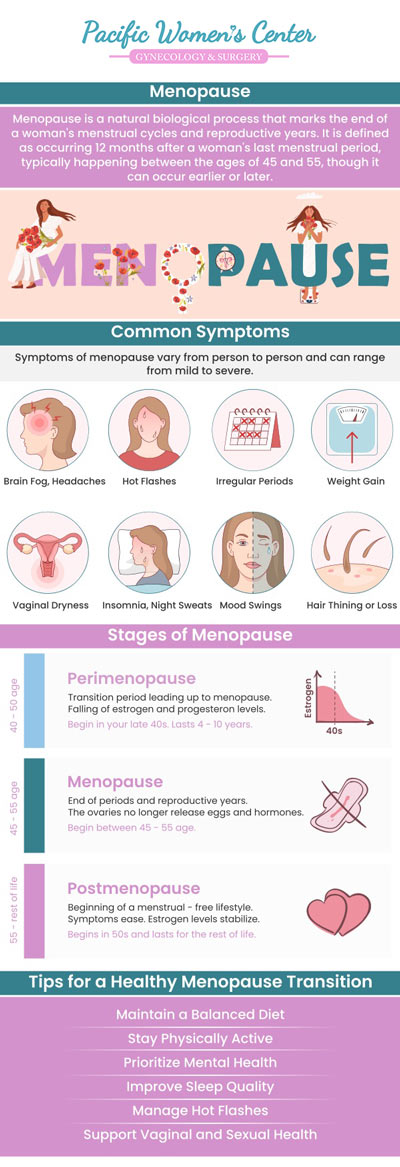
Table of Contents:
What are the common symptoms associated with menopause?
How can menopause affect physical and emotional well-being?
What treatment options are available to help manage menopause symptoms?
How are menopause treatment plans personalized for each patient?
How can Pacific Women’s Center provide compassionate menopause support for women in Springfield, OR seeking improved comfort and wellness?
Menopause symptoms vary considerably from one woman to another. Common changes include irregular or missed periods, hot flashes, night sweats, chills, disrupted sleep, and reduced energy. Some women experience only mild discomfort, while others find that symptoms interfere with their usual routines.
Hormonal changes may also contribute to vaginal dryness, discomfort during intimacy, urinary concerns, headaches, changes in sexual desire, or difficulty maintaining concentration. Skin, hair, body composition, and weight patterns may change during this stage as well.
Pacific Women’s Center can evaluate each patient’s symptoms, menstrual history, medical background, and personal concerns. A professional assessment helps distinguish expected menopausal changes from symptoms that may require further investigation or targeted care.
Physical symptoms such as night sweats, vaginal discomfort, fatigue, and sleep disruption can make work, exercise, intimacy, and household responsibilities more challenging. Frequent hot flashes may also create discomfort during meetings, social activities, or restful sleep.
Emotional changes can include irritability, anxiety, sadness, reduced motivation, or difficulty concentrating. Poor sleep may intensify these concerns, leaving some women feeling less patient, focused, or emotionally balanced throughout the day. Not every emotional concern is caused by menopause, so persistent symptoms deserve professional attention.
Women can discuss both physical and emotional changes in a respectful clinical environment. Addressing the complete experience rather than focusing on one symptom may help patients regain confidence, daily comfort, and a stronger sense of control.
Treatment may begin with practical lifestyle strategies, including regular physical activity, balanced nutrition, stress management, consistent sleep habits, and identifying possible hot-flash triggers. Dressing in layers, limiting alcohol or caffeine, and maintaining a comfortable sleeping environment may also help certain patients.
Medical options can include menopausal hormone therapy, nonhormonal prescription medications, vaginal moisturizers, lubricants, or low-dose vaginal estrogen for appropriate candidates. The most suitable choice depends on the symptoms being treated, their severity, and the patient’s individual health considerations.
Our team can help patients understand the potential advantages, limitations, and safety considerations associated with different approaches. Treatment decisions should be made through an informed conversation with a qualified healthcare provider rather than through a one-size-fits-all recommendation.
Personalization begins with a detailed discussion of symptoms, menstrual changes, health history, previous treatments, medications, and lifestyle. Providers may also ask which concerns are most disruptive, such as hot flashes, poor sleep, mood changes, vaginal dryness, or discomfort during intimacy.
A patient’s age, time since her final menstrual period, whether she has a uterus, and history of conditions such as blood clots, stroke, liver disease, heart disease, or certain cancers may influence treatment decisions. These factors are especially important when considering systemic hormone therapy.
Pacific Women’s Center can develop a plan based on the patient’s priorities, medical needs, and comfort level. Follow-up visits allow our team to review progress, address side effects, and adjust the approach when symptoms or health needs change.
Pacific Women’s Center can provide women in Springfield, OR with a comfortable setting to discuss symptoms that may feel personal, frustrating, or difficult to explain. Compassionate support begins by listening carefully and recognizing that every woman experiences the menopause transition differently.
A thorough consultation may review menstrual patterns, sleep, emotional health, sexual wellness, hot flashes, urinary concerns, and the effects of symptoms on daily life. This complete perspective can help identify which concerns require treatment, monitoring, lifestyle guidance, or additional evaluation.
Through clear education, shared decision-making, and ongoing follow-up, patients can better understand their options and participate confidently in their care. The goal is to support improved comfort, emotional well-being, healthy aging, and a more manageable transition through menopause. For more information, please contact us or book an appointment online. We are conveniently located at 911 Country Club Rd. Suite 222, Eugene, OR 97401. We proudly serve patients from Eugene OR, Whiteaker OR, Hendricks Park OR, Springfield OR, River Rd OR, North Springfield OR, Western OR, Fir Grove OR, Bethel-Danebo OR, and the surrounding areas.
Check Out Our 5 Star Reviews


ADDITIONAL SERVICES YOU MAY NEED
❱ Abdominal Hysterectomy
❱ Cervical Cone Biopsy
❱ Colposcopy
❱ Endometrial Ablation
❱ Endometrial Biopsy
❱ Female Sexual Dysfunction
❱ Gynecological Surgery
❱ Gynecology
❱ Hormone Therapy
❱ Vaginal Hysterectomy
❱ Endometriosis Diagnosis & Care






 Send Text
 How May I Help You?