

IUD Insertion and Removal Procedure Q&A
If you are looking for birth control options, the intrauterine device or IUD is something to consider. They aren’t for everyone, but they are effective and safe for more women. Our healthcare professionals, Dr. Richard Beyerlein MD, CPI, FACOG, and Tamara A. Stenshoel, MD, FACOG provide effective IUD insertion and removal procedures at Pacific Women’s Center. For more information, contact us or schedule an appointment online. We are conveniently located at 911 Country Club Rd. Suite 222, Eugene, OR 97401.
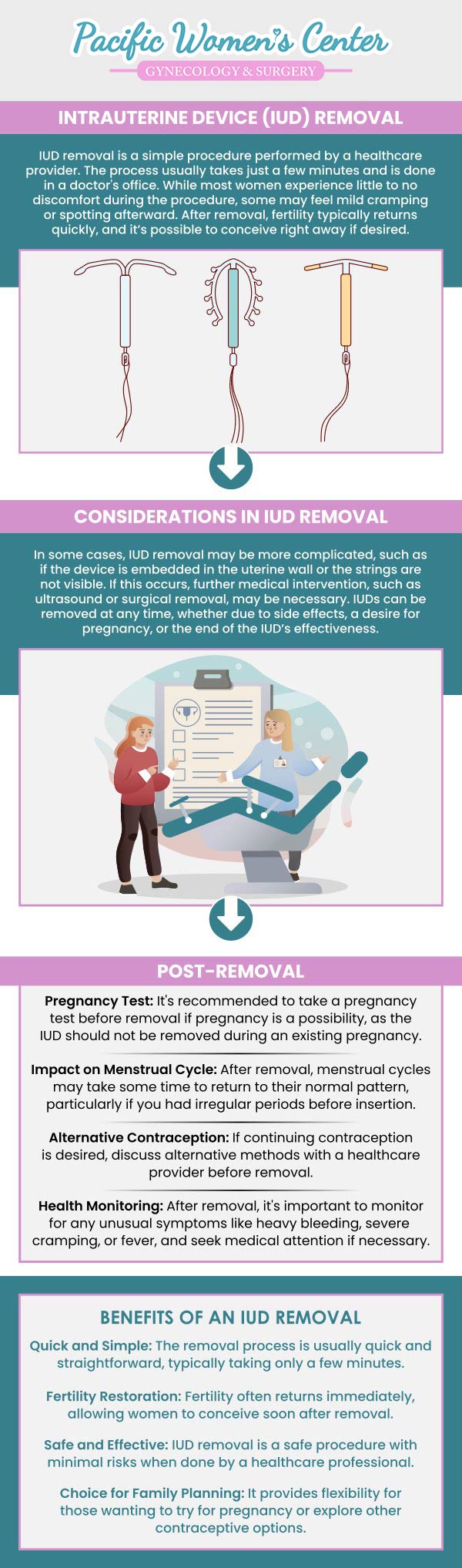
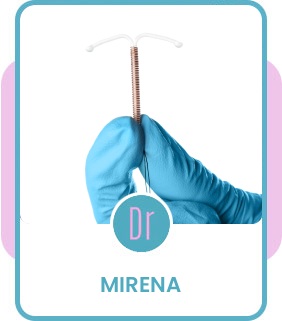
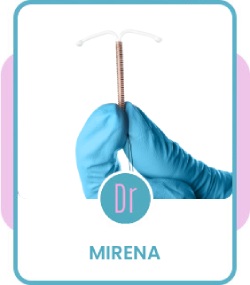
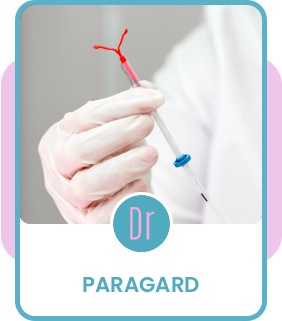
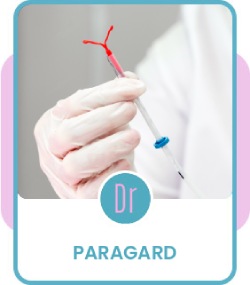
Table of Contents:
How is an IUD Inserted and Removed?
Is IUD Insertion Considered a Surgical Procedure?
What Happens During an IUD Insertion/Removal?
How Do I Prepare for an IUD Removal?
What do IUDs do to your body?
How Can Pacific Women’s Center Help Patients With IUD Insertion and Removal in Eugene, OR?
An intrauterine device or IUD is inserted and removed at your OB/GYN’s office. It is a simple, minimally invasive procedure that will only take a few minutes. The procedure may produce side effects like cramping, pain, or dizziness. To reduce the pain, your doctor may recommend that you take an over-the-counter pain medication before the procedure. The IUD is a small T-shaped device that will have two strings that hang outside the cervix to make removal easy and simple.
To make sure that the IUD has remained in the proper place, a follow-up appointment will be scheduled. Your doctor will give you the needed information about how to check your IUD for proper placement and how frequently this will need to be done.
An IUD insertion is not deemed to be a surgical procedure. It is a minimally invasive procedure that can be done easily at the doctor’s office. It can be done in a short time and you can return home after the procedure.
The insertion process for an IUD is done at a doctor’s office. The procedure will start like a Pap smear. You will place your feet in the stirrups and the doctor will place a speculum in the vagina to hold it open. The IUD will be inserted into your vagina through a small tube into the cervix and into the uterus. The IUD will be pushed through the tube. This procedure can be a bit uncomfortable and may cause cramps and bleeding which usually goes away in a few days.
The removal of the IUD is almost the reverse process of inserting it. You will lie on a table with your legs apart. The doctor will use a speculum to provide easier access to the IUD. There are threads on the IUD that should hang out of the cervix that the doctor can grasp with a special tool. The doctor will gently pull the IUD out. As it is being pulled the arms of the T-shaped IUD will fold to allow for removal.
There is a slight possibility that the IUD won’t come out easily. It can get stuck on the wall of the uterus. If this occurs, the doctor will need to use medicine to help widen the cervix and use forceps to remove the IUD.
IUD removals are a fairly simple procedure and don’t require much special preparation. One thing to keep in mind is that you should avoid intercourse for seven days prior to the procedure. This is to prevent you from becoming pregnant if the IUD is replaced right away.
Almost 4.5 million women in America use an IUD for birth control. These are an effective form of birth control with very few side effects. Only 1% of women who use them will get pregnant when using an IUD. They are quite safe. While some women do get side effects, they are generally mild.
The rare side effects may include:
• Irregular or heavy periods
• Ovarian cysts, will usually go away on their own
• The risk of certain infections increases with the use of an IUD
• The IUD can pierce the wall of the uterus
• Expulsion is when the IUD falls out of the uterus
IUDs are a safe and effective means of birth control that don’t require medication. They can work for women who have trouble with other forms of birth control. Dr. Richard Beyerlein MD, CPI, FACOG, and Tamara A. Stenshoel, MD, FACOG has the experience and training to make this a simple procedure.
Pacific Women’s Center provides personalized guidance for patients considering IUD insertion, replacement, or removal in Eugene, OR. Our team can explain available IUD options, review your health history and contraceptive goals, and discuss what to expect before, during, and after the procedure so you can make an informed decision.
During insertion or removal, our team focuses on patient comfort, proper placement or removal, and clear aftercare instructions. Pacific Women’s Center can also answer questions about cramping, bleeding changes, timing, effectiveness, and when follow-up care may be needed, helping patients feel supported throughout their IUD care experience. For more information, contact us or schedule an appointment online. We are conveniently located at 911 Country Club Rd. Suite 222, Eugene, OR 97401.We serve patients from Eugene OR, Coburg OR, Creswell OR, Cottage Grove OR, Lowell OR, Springfield OR, and Junction City OR.
Check Out Our 5 Star Reviews


ADDITIONAL SERVICES YOU MAY NEED
❱ Abdominal Hysterectomy
❱ Cervical Cone Biopsy
❱ Colposcopy
❱ Endometrial Ablation
❱ Endometrial Biopsy
❱ Female Sexual Dysfunction
❱ Gynecological Surgery
❱ Gynecology
❱ Hormone Therapy
❱ Vaginal Hysterectomy
❱ Endometriosis Diagnosis & Care






 Send Text
 How May I Help You?