

How to Manage Hot Flashes During Menopause
Hot flashes are one of the most common and disruptive symptoms of menopause, affecting many women during this life transition. Managing hot flashes often requires a combination of lifestyle changes, dietary adjustments, and sometimes medication. Staying cool by wearing light clothing, using fans, and avoiding triggers like caffeine and spicy foods can help. Dr. Richard A. Beyerlein, MD, CPI, FACOG, and Dr. Tamara A. Stenshoel, MD, FACOG, at Pacific Women’s Center, specialize in helping women navigate the challenges of menopause with personalized care and effective management strategies. For more information, contact us or schedule an appointment online. We are located at 911 Country Club Rd. Suite 222 Eugene, OR 97401.
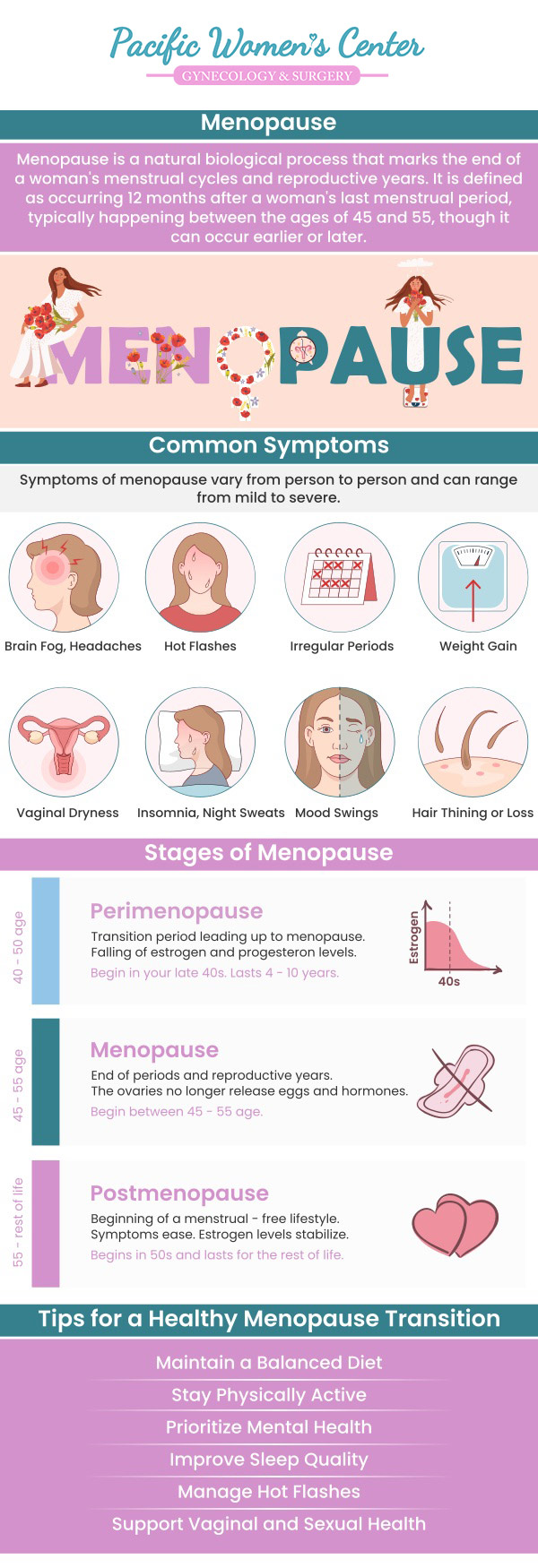
Table of Contents:
What are hot flashes, and why do they occur during menopause?
How long do hot flashes last during menopause?
What are the best treatments for managing hot flashes?
How can I stay cool during hot flashes?
Why Choose Dr. Beyerlein and Dr. Stenshoel for Managing Hot Flashes During Menopause in Eugene, OR?
At Pacific Women’s Center, we understand that hot flashes can be a disruptive and sometimes distressing part of many women’s lives, especially during the menopausal transition. Hot flashes are sudden sensations of intense warmth, often accompanied by skin flushing and sweating. They most commonly affect the face, neck, and chest, and can last from a few seconds to several minutes.
Hot flashes are a hallmark symptom of menopause—the natural stage in a woman’s life when menstrual periods permanently stop, usually occurring between ages 45 and 55. This transition is primarily driven by changes in hormone levels, most notably a decline in estrogen. As estrogen levels decrease, the body’s temperature regulation system, controlled by the hypothalamus in the brain, becomes more sensitive to even small changes in temperature. This increased sensitivity can trigger the body’s cooling mechanisms, such as widening blood vessels and activating sweat glands, leading to the sudden sensation of heat.
Certain factors, including stress, spicy foods, caffeine, and alcohol, may trigger or worsen hot flashes. While they are most commonly associated with menopause, hot flashes can also occur with other conditions or treatments that affect hormone levels.
At Pacific Women’s Center, our experienced providers are here to help you manage hot flashes and other menopausal symptoms. We offer personalized care, evidence-based treatments, and compassionate support to help you navigate this important stage of life. Together, we can create a management plan tailored to your unique needs and help you maintain your quality of life.
Hot flashes are one of the most common symptoms women experience during menopause. At Pacific Women’s Center, we understand that every woman’s journey through menopause is unique.
Hot flashes during menopause can vary significantly in duration from woman to woman. On average, they last between 6 months to 2 years, but some women may experience them for a longer period, up to 5 years or more. The frequency and intensity of hot flashes often decrease as women progress through menopause, with many finding that the symptoms subside gradually after the initial phase. However, some women may continue to experience occasional hot flashes well into post-menopause.
The duration of hot flashes can also be influenced by factors such as lifestyle, overall health, and whether or not a woman is undergoing hormone replacement therapy (HRT) or other treatments. Women who lead a healthy lifestyle with a proper diet and exercise may experience fewer or less severe hot flashes.
If you’re struggling with hot flashes during menopause, it’s important to seek professional care to help manage your symptoms and improve your quality of life. At Pacific Women’s Center in Eugene, OR, Dr. Richard A. Beyerlein, MD, CPI, FACOG, and Dr. Tamara A. Stenshoel, MD, FACOG, provide personalized care to help you navigate this stage of life. Our team is committed to offering the support and treatment you need to manage menopause symptoms effectively and restore your comfort. Visit us at Pacific Women’s Center to discuss your options and take control of your health today.
At Pacific Women’s Center, we understand that hot flashes are a common and often disruptive symptom experienced during menopause. These sudden feelings of warmth, sweating, and discomfort can significantly affect your quality of life—but effective management is available. Here are some of the best treatments for managing hot flashes:
● Hormone Therapy: Hormone therapy is an effective treatment for hot flashes, primarily using estrogen to balance hormone levels during menopause. Hormone Therapy helps reduce the frequency and intensity of hot flashes, improving comfort and quality of life.
● Lifestyle Modifications: Wearing light, breathable clothing, keeping the room cool, and using fans can help manage hot flashes. Reducing stress through relaxation techniques like yoga, deep breathing, or meditation can also be beneficial.
● Dietary Adjustments: Avoiding hot flash triggers such as spicy foods, caffeine, alcohol, and hot beverages can help reduce symptoms. Increasing intake of soy and other phytoestrogens may also provide relief.
● Weight Management and Exercise: Maintaining a healthy weight and engaging in regular physical activity can help balance hormone levels and reduce the severity of hot flashes.
At Pacific Women’s Center, we believe in a personalized approach to care. It’s important to consult with our experienced providers about your symptoms and preferences so we can develop a treatment plan that’s safe and effective for you. Regular follow-up appointments allow us to monitor your progress and make any needed adjustments, ensuring the best possible outcome. We’re here to support you every step of the way.
At Pacific Women’s Center, we understand that managing hot flashes—a common symptom during menopause—can be challenging. Our team is here to support you with practical strategies to help you stay cool and comfortable during this transition.
Practical Tips to Stay Comfortable:
● Dress Smart: Choose lightweight, breathable fabrics like cotton or moisture-wicking materials to help your body release heat. Dress in layers so you can easily adjust to your comfort level throughout the day.
● Keep Your Environment Cool: Use fans, open windows, or air conditioning to maintain a comfortable temperature at home. When you’re out and about, carrying a portable fan or a cooling towel can provide immediate relief.
● Stay Hydrated: Drinking plenty of water is essential for regulating your body temperature. Try to limit caffeine and alcohol, as these can trigger hot flashes.
● Mind Your Diet: Spicy foods can sometimes make hot flashes worse. If you notice a pattern, opt for milder meals.
● Practice Relaxation: Stress can intensify hot flashes. Deep breathing exercises, yoga, or meditation can be effective in managing stress and reducing symptoms.
● Quick Relief: Taking a cool shower or applying a cold compress to your forehead, neck, or wrists can help bring quick relief when hot flashes strike.
● Healthy Lifestyle: Maintaining a healthy weight and staying physically active may reduce the frequency and severity of hot flashes.
If your hot flashes are interfering with your daily life, the healthcare providers at Pacific Women’s Center are here to help. We can discuss a variety of options, including lifestyle changes and medical treatments, to find a solution that works best for you. We’re committed to supporting your health and comfort every step of the way.
Dr. Richard A. Beyerlein, MD, CPI, FACOG, and Dr. Tamara A. Stenshoel, MD, FACOG, at Pacific Women’s Center in Eugene, OR, are dedicated to providing personalized care for women managing hot flashes during menopause. With their expertise in obstetrics and gynecology, they offer tailored treatment options to address hot flashes and improve overall well-being. Their compassionate approach ensures that women receive the most effective, individualized care to alleviate discomfort and enhance quality of life.
At Pacific Women’s Center, Dr. Beyerlein and Dr. Stenshoel focus on providing a comprehensive treatment plan that considers your health history, preferences, and lifestyle. They stay updated on the latest research and treatment options to offer the best solutions for managing menopause symptoms. Whether through lifestyle changes, medications, or alternative therapies, they are committed to helping women in Eugene navigate menopause with confidence and ease.
For more information, contact us or schedule an appointment online. We are located at 911 Country Club Rd. Suite 222 Eugene, OR 97401. We serve patients from Eugene OR, Springfield OR, Coburg OR, Creswell OR, Cottage Grove OR, Lowell OR, Junction City OR, and surrounding areas.
Check Out Our 5 Star Reviews


ADDITIONAL SERVICES YOU MAY NEED
❱ Abdominal Hysterectomy
❱ Cervical Cone Biopsy
❱ Colposcopy
❱ Endometrial Ablation
❱ Endometrial Biopsy
❱ Female Sexual Dysfunction
❱ Gynecological Surgery
❱ Gynecology
❱ Hormone Therapy
❱ Vaginal Hysterectomy
❱ Endometriosis Diagnosis & Care






 Send Text
 How May I Help You?