

The Link Between Menopause and Osteoporosis
Menopause can significantly impact bone health due to the decrease in estrogen levels, which plays a key role in maintaining bone density. The reduction in estrogen during menopause increases the risk of osteoporosis, a condition that causes bones to become brittle and more prone to fractures. Dr. Richard A. Beyerlein, MD, CPI, FACOG, and Dr. Tamara A. Stenshoel, MD, FACOG, at Pacific Women’s Center in Eugene, OR, provide comprehensive care and guidance to women concerned about osteoporosis and other menopause-related health issues. For more information, contact us or schedule an appointment online. We are located at 911 Country Club Rd. Suite 222 Eugene, OR 97401.
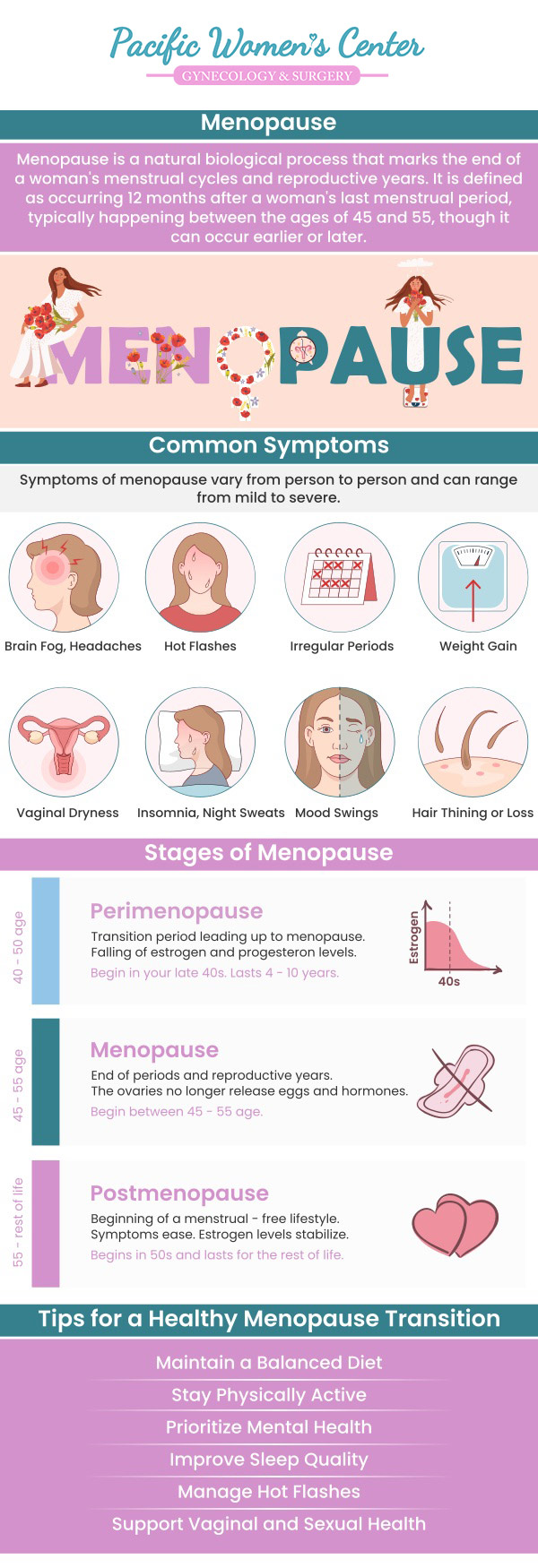
Table of Contents:
How does menopause affect bone health?
What is osteoporosis, and how is it related to menopause?
How can I prevent osteoporosis during menopause?
Is it too late to protect my bones if I’m already in menopause?
Why Choose Dr. Beyerlein and Dr. Stenshoel for Osteoporosis Care During Menopause in Eugene, OR?
At Pacific Women’s Center, we’re dedicated to supporting women through every stage of life—including menopause. One of the most important health considerations during menopause is bone health. As estrogen levels decline during menopause, bone density can decrease more rapidly, increasing the risk of osteoporosis and bone fractures.
Menopause significantly impacts bone health due to the decrease in estrogen levels, which plays a vital role in maintaining bone density. Estrogen helps regulate the activity of bone-building cells, and when its levels drop during menopause, bones can become weaker and more susceptible to fractures. This process, known as bone resorption, accelerates, leading to a gradual decrease in bone mass. As a result, women are at a higher risk of developing osteoporosis, a condition where bones become brittle and fragile.
The loss of bone density during menopause can be influenced by factors such as age, lifestyle, and genetic predisposition. Without proper management, this can lead to an increased risk of fractures, particularly in the spine, hips, and wrists. However, bone health can be maintained and even improved through regular weight-bearing exercise, a calcium- and vitamin D-rich diet, and, in some cases, medications. It is crucial for women going through menopause to monitor their bone health and consult with a healthcare provider to implement a prevention or treatment plan tailored to their needs.
Our team at Pacific Women’s Center is here to help you protect your bone health before, during, and after menopause. If you are approaching or experiencing menopause, early intervention and regular checkups can make a significant difference in safeguarding your bone health. Together, we can help you stay strong and healthy through every stage of life.
At Pacific Women’s Center, we are dedicated to supporting women’s health at every stage of life. One condition that significantly affects women, especially after menopause, is osteoporosis—a disease marked by a decrease in bone density and strength, making bones more fragile and prone to fractures.
Osteoporosis often develops without noticeable symptoms until a fracture occurs, most commonly in the hip, spine, or wrist. Women are particularly at risk due to the hormonal changes that accompany menopause. Estrogen, a hormone produced by the ovaries, plays a crucial role in maintaining bone strength by slowing bone breakdown. During menopause, estrogen levels drop sharply, accelerating bone loss and increasing the risk of osteoporosis. Because of this, we encourage all women—especially those approaching or experiencing menopause—to be proactive about their bone health.
At Pacific Women’s Center, we offer comprehensive osteoporosis counseling, and personalized care plans to help you maintain strong, healthy bones. Preventive strategies include ensuring adequate calcium and vitamin D intake, engaging in regular weight-bearing exercise, and adopting healthy lifestyle habits. If you have questions about osteoporosis or bone health, our compassionate team at Pacific Women’s Center is here to help you take charge of your well-being.
At Pacific Women’s Center, we are dedicated to helping women maintain strong, healthy bones throughout every stage of life, especially during menopause. The drop in estrogen levels during menopause can accelerate bone loss, making osteoporosis prevention a crucial part of your long-term health.
How You Can Protect Your Bone Health:
● Prioritize Calcium and Vitamin D:
Most women need about 1,200 milligrams of calcium daily, which you can get from dairy products, leafy green vegetables, and calcium-fortified foods. Vitamin D is also essential, as it helps your body absorb calcium. Sun exposure, fatty fish, and fortified milk are good sources. If you have concerns about your intake, Pacific Women’s Center providers can help you determine if supplements are right for you.
● Stay Active with Weight-Bearing Exercise:
Regular activities like walking, jogging, dancing, or strength training not only keep you fit but also stimulate bone formation and help maintain bone density. Our team can recommend safe and effective exercises tailored to your needs.
● Lifestyle Choices Matter:
Avoiding smoking and limiting alcohol can significantly reduce your risk of bone loss and fractures. We’re here to support you in making healthy lifestyle changes.
● Consider Bone Density Screening:
If you have risk factors—such as a family history of osteoporosis, previous fractures, or early menopause—it may be appropriate to schedule a bone density test. The caring providers at Pacific Women’s Center can help you assess your risk and decide on the right screening plan.
● Explore Treatment Options:
In some cases, medication or hormone therapy may be recommended to preserve bone density. Our physicians will help you understand all your options and work with you to develop a personalized prevention or treatment plan.
● Maintain a Healthy Weight:
Being underweight can increase your risk of osteoporosis. Our team can offer guidance on nutrition and healthy weight management to further protect your bones.
At Pacific Women’s Center, our goal is to empower you with the knowledge and care you need to thrive during menopause and beyond. We take a personalized approach to addressing each patient’s unique needs, providing expert guidance on managing menopause symptoms, maintaining bone health, and promoting overall wellness. Our compassionate team is dedicated to ensuring you feel supported and confident throughout every stage of life.
Many women believe that once menopause begins, there’s little that can be done to protect bone health. At Pacific Women’s Center, we want you to know that it’s never too late to take action—no matter where you are in your menopause journey.
During menopause, declining estrogen levels can lead to loss of bone density, increasing the risk of osteoporosis and fractures. It’s never too late to take steps to protect your bones, even if you’re already in menopause. While menopause increases the risk of bone loss due to the decrease in estrogen, there are still effective ways to slow or prevent further bone density loss. Adopting a healthy lifestyle that includes weight-bearing exercises, adequate calcium and vitamin D intake, and possibly medications can significantly improve bone health.
Taking action during menopause can make a significant difference in reducing the risk of fractures or other bone-related issues in the future. Even if bone loss has already begun, certain medications and lifestyle changes can help maintain bone density and prevent further deterioration. Working with your doctor to monitor your bone health and take proactive measures can ensure you maintain strong, healthy bones well into your later years.
If you’re concerned about your bone health during menopause, the team at Pacific Women’s Center in Eugene, OR, is here to help. Dr. Richard A. Beyerlein, MD, CPI, FACOG, and Dr. Tamara A. Stenshoel, MD, FACOG, provide personalized care to help you protect your bones and maintain a healthy, active lifestyle. Our compassionate team is here to provide you with personalized recommendations and support every step of the way.
Dr. Richard A. Beyerlein, MD, CPI, FACOG, and Dr. Tamara A. Stenshoel, MD, FACOG, at Pacific Women’s Center in Eugene, OR, offer specialized care for women managing osteoporosis during menopause. They understand the unique challenges that menopause poses to bone health and are dedicated to providing individualized care to reduce the risk of osteoporosis. They offer evidence-based treatments and lifestyle recommendations designed to maintain bone density and prevent fractures, ensuring optimal bone health during and after menopause.
At Pacific Women’s Center, Dr. Beyerlein and Dr. Stenshoel take a comprehensive approach to osteoporosis care, focusing on the prevention and management of the condition. They consider factors such as diet, exercise, and any underlying health concerns to develop personalized treatment plans for each patient. With their compassionate care and ongoing commitment to staying updated on the latest advancements in osteoporosis treatment, Dr. Beyerlein and Dr. Stenshoel help women in Eugene manage bone health effectively and maintain an active, healthy lifestyle.
For more information, contact us or schedule an appointment online. We are located at 911 Country Club Rd. Suite 222 Eugene, OR 97401. We serve patients from Eugene OR, Springfield OR, Coburg OR, Creswell OR, Cottage Grove OR, Lowell OR, Junction City OR, and surrounding areas.
Check Out Our 5 Star Reviews


ADDITIONAL SERVICES YOU MAY NEED
❱ Abdominal Hysterectomy
❱ Cervical Cone Biopsy
❱ Colposcopy
❱ Endometrial Ablation
❱ Endometrial Biopsy
❱ Female Sexual Dysfunction
❱ Gynecological Surgery
❱ Gynecology
❱ Hormone Therapy
❱ Vaginal Hysterectomy
❱ Endometriosis Diagnosis & Care






 Send Text
 How May I Help You?