

What’s Normal Pelvic Pain During Your Period and What’s Not?
Pelvic pain during your period is common, but understanding what’s normal and what’s not is crucial for your health. Dr. Richard A. Beyerlein, MD, CPI, FACOG, and Dr. Tamara A. Stenshoel, MD, FACOG, help women distinguish between typical menstrual discomfort and more serious conditions like endometriosis or fibroids. To ensure women receive accurate diagnoses and effective treatments for period-related pelvic pain, contact us or schedule an appointment online. We are located at 911 Country Club Rd. Suite 222 Eugene, OR 97401.
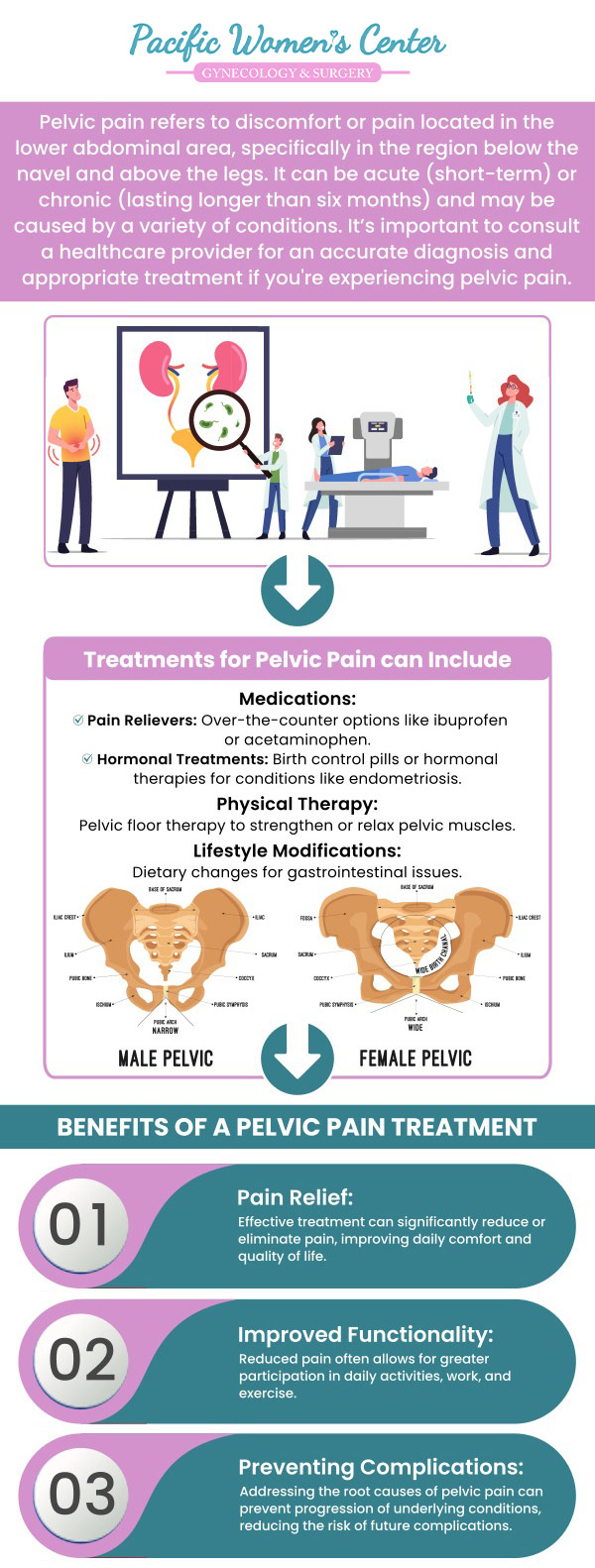
Table of Contents:
What is considered normal pelvic pain during menstruation?
How severe can normal period pain be?
What does it mean if my period pain lasts longer than usual?
Can abnormal menstrual bleeding be a cause of pelvic pain?
Can pelvic pain be a sign of endometriosis?
Dr. Richard A. Beyerlein, MD, CPI, FACOG, and Dr. Tamara A. Stenshoel, MD, FACOG, Guide You on Normal vs. Abnormal Pelvic Pain During Your Period
Pelvic pain during menstruation—often called menstrual cramps or dysmenorrhea—is a common concern among our patients. For most women, this pain is felt as a dull, throbbing, or cramping sensation in the lower abdomen or pelvic area. It usually begins a day or two before your period starts and can last for two to three days as menstruation continues. Typically, this pain is mild to moderate and, although uncomfortable, should not significantly disrupt your daily life. Some women may also notice aching in the lower back or inner thighs along with pelvic discomfort.
Most mild to moderate menstrual cramps can be managed with over-the-counter pain relievers. Applying heat to the abdomen or engaging in gentle exercise may also offer relief. We encourage you to monitor your symptoms. Normal menstrual pain should not cause you to miss work or school, should not get worse over time, and should not be accompanied by concerning symptoms such as heavy bleeding, fever, or unusual discharge.
Period pain—also known as primary dysmenorrhea—is a common experience for many women. This pain typically presents as cramping or aching in the lower abdomen, especially in the days leading up to and during menstruation. For some, it’s mild and manageable, while for others, it may require over-the-counter pain relief or extra rest.
In some cases, period pain can be more severe, causing discomfort that disrupts work, school, or social activities. The pain may radiate to your lower back or thighs, and can be accompanied by symptoms like nausea, headache, or diarrhea. Even when period pain is intense, if it follows a predictable pattern each cycle, responds to typical treatments, and doesn’t get worse over time, it’s usually considered normal.
However, it’s important to know when period pain could be signaling something more serious, such as endometriosis or uterine fibroids. Warning signs include:
● Pain that cannot be managed with standard medications
● Pain that gets worse with each cycle
● Pain that begins well before your period starts or lingers long after it ends
● Pain accompanied by very heavy bleeding, irregular cycles, or other unusual symptoms
If your period pain is severe enough to consistently disrupt your daily life or does not improve with common remedies, we encourage you to reach out to Pacific Women’s Center.
If you notice that your period pain is lasting longer than usual, it may be a sign of changes in your menstrual health that deserve attention. At Pacific Women’s Center, we know that menstrual cramps (dysmenorrhea) are usually most intense. When pain extends beyond the timeframe, becomes more severe, or starts to interfere with your daily activities, it could be related to an underlying medical condition.
Some common causes of prolonged period pain include endometriosis (where tissue similar to the lining of the uterus grows outside the uterus), uterine fibroids (noncancerous growths in the uterus), pelvic inflammatory disease (an infection of the reproductive organs), or hormonal imbalances.
Other symptoms to watch for include heavy bleeding, irregular periods, pain during intercourse, or pelvic pain outside of your period. If you are experiencing any of these symptoms, or if your period pain is disrupting your life, the team at Pacific Women’s Center is here to help. Our experienced providers can evaluate your symptoms, perform a pelvic exam, and, if necessary, recommend imaging tests to help determine the cause of your pain.
Yes, abnormal menstrual bleeding can indeed be a cause of pelvic pain. Menstrual cycles that are unusually heavy, prolonged, or irregular may result from underlying gynecological conditions such as uterine fibroids, endometriosis, or adenomyosis—all of which our experienced team regularly diagnoses and treats. These conditions not only disrupt normal menstrual flow but can also irritate pelvic tissues, increase inflammation, and cause cramping or chronic discomfort in the pelvic region.
Hormonal imbalances affecting your menstrual cycle can also lead to pelvic pain, as the uterus may contract more forcefully or irregularly, resulting in discomfort or even severe pain. Additionally, infections such as pelvic inflammatory disease can cause both abnormal bleeding and pelvic pain, sometimes accompanied by other symptoms such as fever or unusual discharge.
If you are experiencing abnormal menstrual bleeding along with pelvic pain, it’s important to seek expert care.
Endometriosis is a condition in which tissue similar to the lining of the uterus grows outside the uterus, leading to chronic inflammation and discomfort. Many women with endometriosis experience pelvic pain that may intensify during their menstrual periods, but the pain can also occur at other times, such as during ovulation, sexual intercourse, or even while using the bathroom.
While endometriosis is a common cause of pelvic pain, it’s important to note that other conditions—such as ovarian cysts, pelvic inflammatory disease, or irritable bowel syndrome—can cause similar symptoms.
At Pacific Women’s Center, Dr. Richard A. Beyerlein, MD, CPI, FACOG, and Dr. Tamara A. Stenshoel, MD, FACOG, bring their extensive experience in women’s health to help our patients distinguish between normal and abnormal pelvic pain during menstruation.
It’s common to experience some pelvic discomfort during your period. This pain—known as dysmenorrhea—is usually caused by natural uterine contractions as your body sheds its lining. For many women, this discomfort is mild to moderate, beginning just before or at the start of menstruation and subsiding within a few days. Simple measures like over-the-counter pain relievers, gentle exercise, or heat therapy often provide relief.
However, not all period pain should be considered normal. Our providers encourage patients to pay close attention to the severity, duration, and impact of their symptoms. If your pelvic pain is so intense that it interferes with daily activities, doesn’t respond to standard treatments, or lasts well beyond your period, it may signal an underlying condition.
Conditions like endometriosis, uterine fibroids, adenomyosis, or pelvic inflammatory disease can all cause abnormal pelvic pain. Early diagnosis and personalized treatment are essential for managing these conditions and improving your quality of life.
At Pacific Women’s Center, we believe you shouldn’t have to suffer in silence. If you are experiencing persistent or severe pelvic pain, our team is here to listen and help. Open communication with your healthcare provider is the first step toward finding answers and effective relief. Schedule an appointment with Dr. Beyerlein or Dr. Stenshoel to discuss your symptoms and explore treatment options tailored to your needs. Remember, while some menstrual discomfort is expected, help is available for those experiencing abnormal pelvic pain. For more information, contact us or schedule an appointment online. We are located at 911 Country Club Rd. Suite 222 Eugene, OR 97401. We serve patients from Eugene OR, Springfield OR, Coburg OR, Creswell OR, Cottage Grove OR, Lowell OR, Junction City OR, and surrounding areas.
Check Out Our 5 Star Reviews


ADDITIONAL SERVICES YOU MAY NEED
❱ Abdominal Hysterectomy
❱ Cervical Cone Biopsy
❱ Colposcopy
❱ Endometrial Ablation
❱ Endometrial Biopsy
❱ Female Sexual Dysfunction
❱ Gynecological Surgery
❱ Gynecology
❱ Hormone Therapy
❱ Vaginal Hysterectomy
❱ Endometriosis Diagnosis & Care






 Send Text
 How May I Help You?