

Common Conditions That Cause Pelvic Pain in Women
Pelvic pain in women can be caused by a range of conditions, from menstrual cramps to more serious issues like endometriosis or fibroids. Dr. Richard A. Beyerlein, MD, CPI, FACOG, and Dr. Tamara A. Stenshoel, MD, FACOG, provide guidance in diagnosing and treating these common conditions. Through personalized care and comprehensive evaluations, our team helps women understand the causes of pelvic pain and find effective treatment options. For more information, contact us or schedule an appointment online. We are located at 911 Country Club Rd. Suite 222 Eugene, OR 97401.
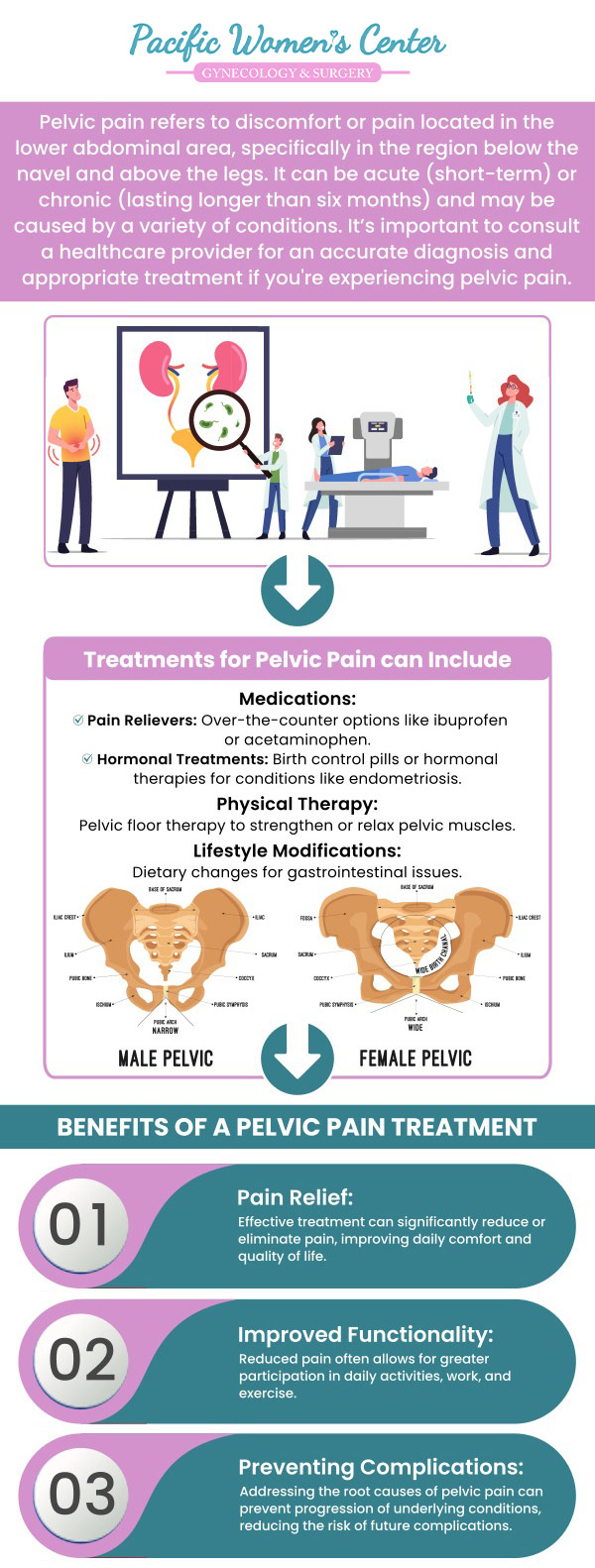
Table of Contents:
How do ovarian cysts cause pelvic pain?
What are the most common causes of pelvic pain in women?
Can fibroids cause pelvic pain?
How do urinary tract infections (UTIs) cause pelvic pain?
Pelvic Pain in Women: Dr. Richard A. Beyerlein and Dr. Tamara A. Stenshoel Explore the Causes
Ovarian cysts are fluid-filled sacs that can develop on or inside the ovaries. Our expert team at Pacific Women’s Center is experienced in diagnosing and treating ovarian cysts, which can cause pelvic pain through several mechanisms. As a cyst grows, it may stretch the ovarian capsule or surrounding tissues, leading to a sensation of pressure, fullness, or a dull ache in the lower abdomen or pelvis. Larger cysts can press on nearby organs such as the bladder or rectum, sometimes causing changes in urinary or bowel habits.
If a cyst ruptures, it can cause sudden and severe pain by releasing fluid or blood into the pelvic cavity, which irritates the surrounding tissues. Hemorrhagic cysts—those that bleed internally—may also trigger pain due to both tissue stretching and the body’s inflammatory response to blood in the pelvis.
Another urgent complication we watch for is ovarian torsion. This occurs when a cyst causes the ovary to twist, cutting off its blood supply. Ovarian torsion results in intense, acute pain and requires prompt medical attention to preserve ovarian health.
Whether you need a thorough evaluation, conservative management, or surgical intervention, our compassionate providers are here to help you understand your options and support your health every step of the way.
Pelvic pain can arise from a variety of causes—including issues related to the reproductive organs, urinary tract, digestive system, or even the musculoskeletal system—and identifying the source is essential for effective treatment.
Common Gynecological Causes: Our experienced team specializes in evaluating and managing gynecological causes of pelvic pain. Some of the most common conditions we see include:
Menstrual Cramps (Dysmenorrhea): These are a leading cause of pelvic discomfort, especially around the time of your menstrual period.
Endometriosis: This condition occurs when tissue similar to the lining of the uterus grows outside the uterus, often leading to chronic, sometimes severe, pelvic pain.
Ovarian Cysts: These fluid-filled sacs can develop on or inside the ovaries, resulting in sudden or persistent pain.
Pelvic Inflammatory Disease (PID): Caused by infection of the female reproductive organs, PID is often a complication of sexually transmitted infections and can lead to significant pelvic pain.
At Pacific Women’s Center, we often see patients concerned about pelvic pain and wondering about the possible causes. One common cause is uterine fibroids—noncancerous growths that develop in or on the uterus. The symptoms of fibroids can vary greatly depending on their size, number, and location. While some women with fibroids have no symptoms at all, others may experience significant discomfort.
Pelvic pain related to fibroids may feel like a constant ache, a sense of heaviness or pressure in the lower abdomen, or even sharp pain during certain activities, such as sex or exercise. This pain often occurs because fibroids can press on surrounding organs and tissues, especially as they grow larger. Sometimes, fibroids can outgrow their blood supply, leading to degeneration and causing sudden, severe pain. In addition, fibroids can make menstrual cramps much more intense, contributing to chronic pelvic discomfort.
If you are experiencing ongoing pelvic pain, heavy periods, or other symptoms you think may be related to fibroids, we encourage you to schedule an appointment at Pacific Women’s Center.
UTIs are a common concern among women, and one of their most frequent symptoms is pelvic pain. This discomfort occurs as your body initiates an inflammatory response to bacterial infection in the urinary tract, most often within the bladder—a condition known as cystitis.
When bacteria enter the urinary tract, usually through the urethra, your immune system reacts by releasing chemicals that cause inflammation and swelling of the bladder lining. In women, the bladder’s proximity to other pelvic organs means this inflammation can quickly lead to sensations of pressure, aching, or sharp pain in the lower abdomen or pelvic area. You may also notice pain during urination, as the inflamed tissue becomes more sensitive to the stretching and contracting of the bladder.
If left untreated, a UTI can progress, sometimes traveling to the kidneys or affecting surrounding structures, resulting in more severe or radiating pain to the lower back. At Pacific Women’s Center, our dedicated providers are experienced in diagnosing and treating UTIs, as well as addressing any related pelvic pain.
Pelvic pain is a frequent concern for many women, ranging from mild discomfort to severe, debilitating pain that can disrupt daily life. At Pacific Women’s Center in Eugene, Oregon, our experienced providers, Dr. Richard A. Beyerlein, MD, CPI, FACOG, and Dr. Tamara A. Stenshoel, MD, FACOG, are dedicated to helping women identify the causes of pelvic pain and find effective solutions.
Pelvic pain can originate from a variety of sources, making an accurate diagnosis essential. At Pacific Women’s Center, we most commonly see pelvic pain related to the reproductive system. For example, endometriosis—a condition where tissue similar to the uterine lining grows outside the uterus—can cause chronic pain, especially during menstruation. Ovarian cysts, or fluid-filled sacs on the ovaries, may also result in sharp or aching pain, particularly if they rupture or twist. In addition, uterine fibroids (noncancerous growths) may create a sense of pressure or pain, especially when larger in size.
Infections are another key concern. Pelvic inflammatory disease (PID), an infection of the female reproductive organs often caused by sexually transmitted bacteria, can result in significant lower abdominal pain. Urinary tract infections (UTIs) and bladder infections are also common, often presenting with pelvic discomfort, frequent urination, or burning sensations.
At Pacific Women’s Center, we recognize that not all pelvic pain is gynecological. Digestive issues such as irritable bowel syndrome (IBS) or inflammatory bowel disease (IBD) can also cause pelvic pain that may be mistaken for reproductive problems. Additionally, musculoskeletal factors—like pelvic floor muscle dysfunction—sometimes play a role in chronic pelvic pain.
Both Dr. Beyerlein and Dr. Stenshoel emphasize the importance of a thorough evaluation for any woman experiencing pelvic pain. At Pacific Women’s Center, your care begins with a comprehensive medical history, physical examination, and, when necessary, imaging studies or laboratory testing to pinpoint the underlying cause. Treatment is always tailored to your needs and may include medication, physical therapy, or surgical intervention when appropriate.
Timely diagnosis and expert management can not only relieve your symptoms but also help prevent complications—allowing you to enjoy a healthier, more comfortable life. For more information, contact us or schedule an appointment online. We are located at 911 Country Club Rd. Suite 222 Eugene, OR 97401. We serve patients from Eugene OR, Springfield OR, Coburg OR, Creswell OR, Cottage Grove OR, Lowell OR, Junction City OR, and surrounding areas.
Check Out Our 5 Star Reviews

ADDITIONAL SERVICES YOU MAY NEED
❱ Abdominal Hysterectomy
❱ Cervical Cone Biopsy
❱ Colposcopy
❱ Endometrial Ablation
❱ Endometrial Biopsy
❱ Female Sexual Dysfunction
❱ Gynecological Surgery
❱ Gynecology
❱ Hormone Therapy
❱ Vaginal Hysterectomy
❱ Endometriosis Diagnosis & Care






 Send Text
 How May I Help You?